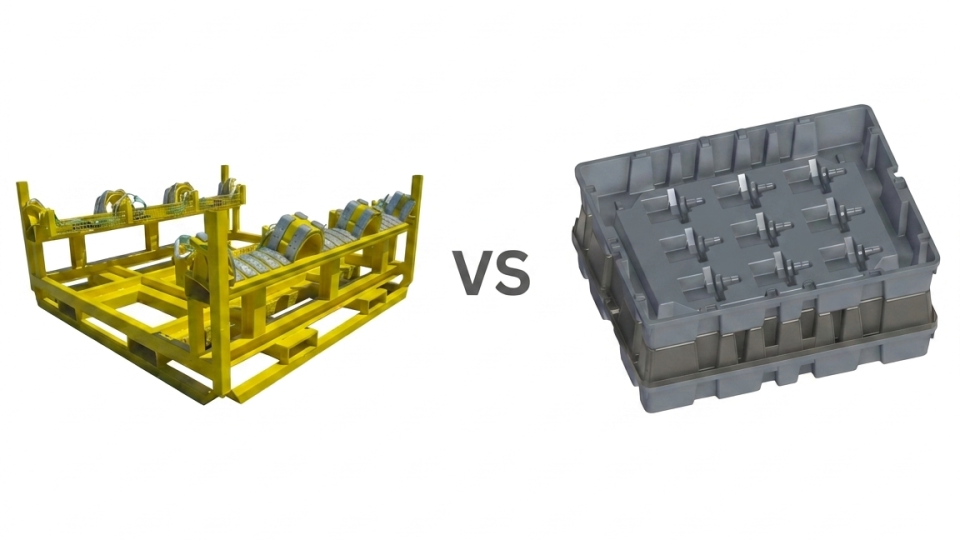
Metal vs plastic racks: which solution should you choose for your application?
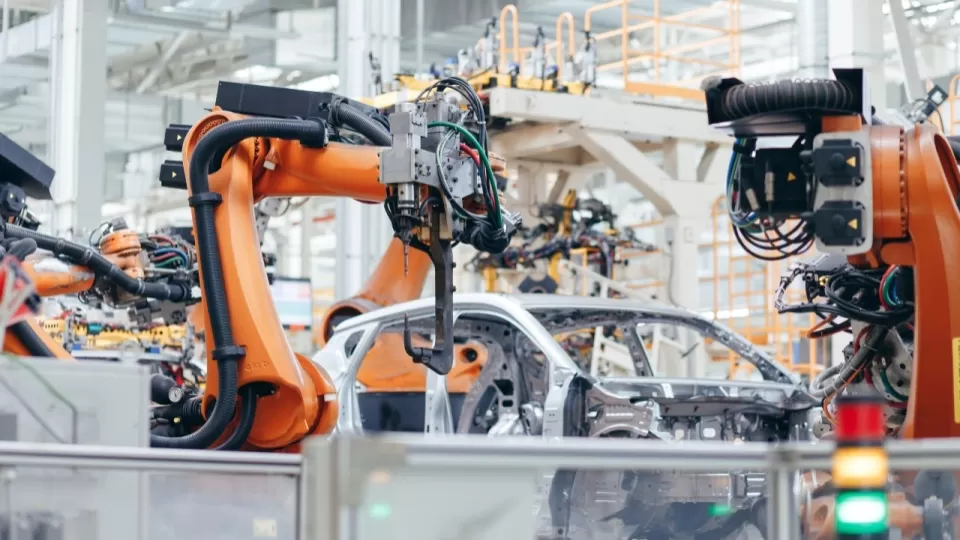
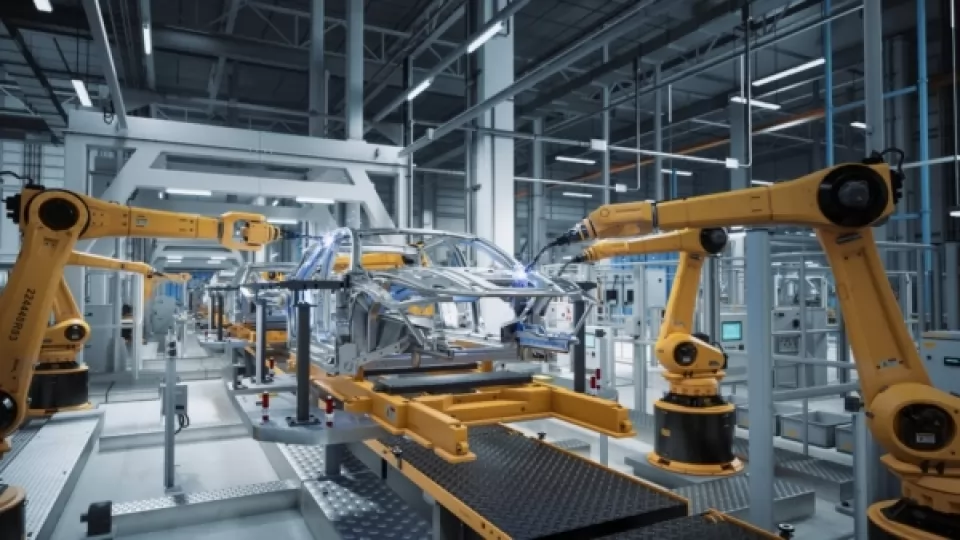
In the automotive industry, component handling demands high standards in terms of safety, logistical efficiency, and material protection. Every stage of the supply chain – from production and storage to internal handling and inter-plant transportation – must be designed to ensure operational continuity and minimise the risk of component damage.
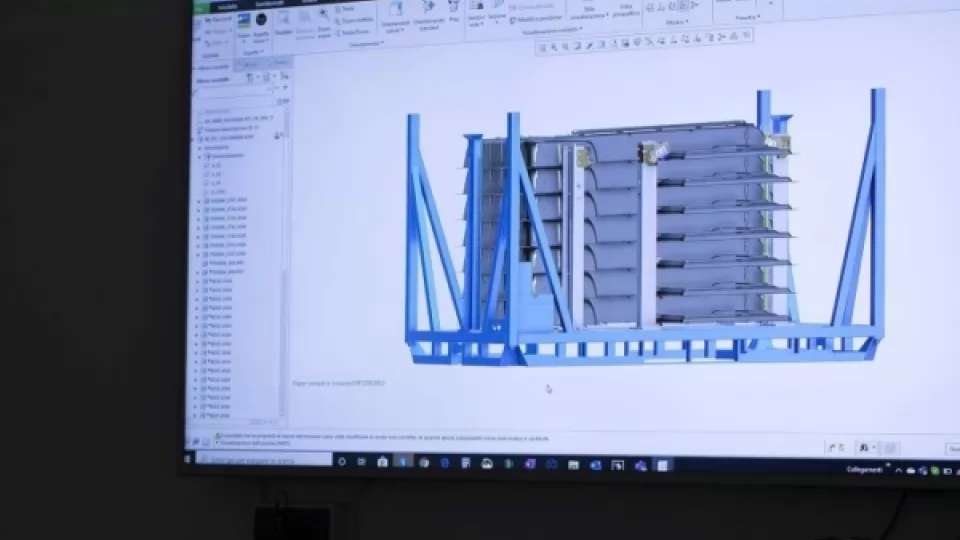
Metal and plastic racks are essential technical solutions for preserving the integrity, quality, and traceability of automotive components within manufacturing facilities. Choosing the most suitable type of rack has a direct impact on production efficiency, space management, compatibility with automated systems, and long-term operating costs.
Each type of component requires specific characteristics. Heavy structural parts, stamped metal panels, electric motors, batteries, aesthetic components, and delicate electronic parts all have different requirements in terms of load capacity, stability, impact protection, and resistance to industrial stresses. For this reason, selecting the right track for each application is crucial.
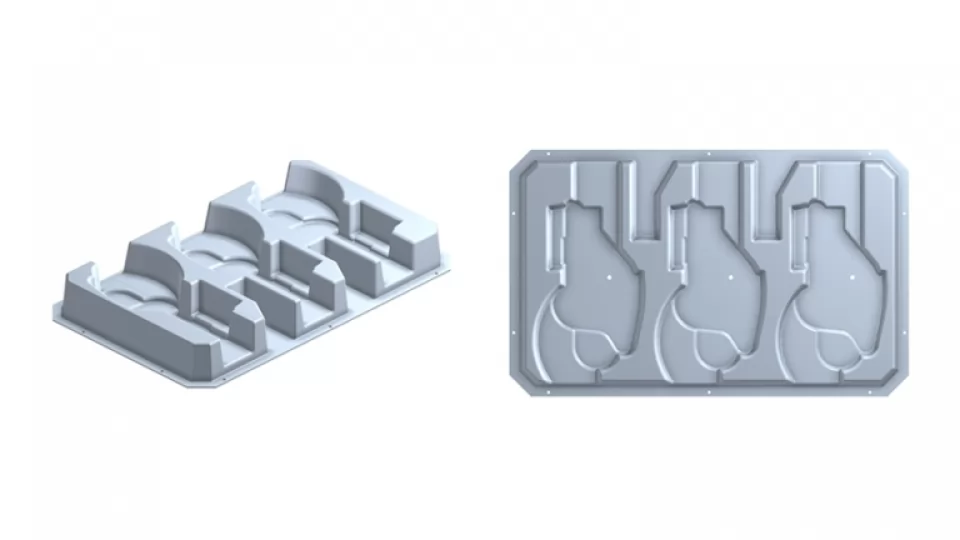
In this article, we explore the main differences between metal and plastic racks for the automotive industry and identify the most suitable solutions for delicate automotive components, batteries, and structural parts.